Cost-Saving Remodeling Tips for Future Proofing
Transform Your Living Area: Key Information Regarding Home Renovation Work for All Property Owners
Property owners frequently look for ways to improve their homes via professional remodeling. These renovations extend from small kitchen fixes to full house remodeling. Understanding the options available is necessary to making informed decisions. Additionally, there are tangible aspects including financial planning and choosing the detailed guide right builder. As homeowners commence on this journey, they may run into surprising obstacles. The key to a successful transformation requires thorough design and implementation. Which actions should follow?
Knowing the Various Categories of Residential Renovation Work
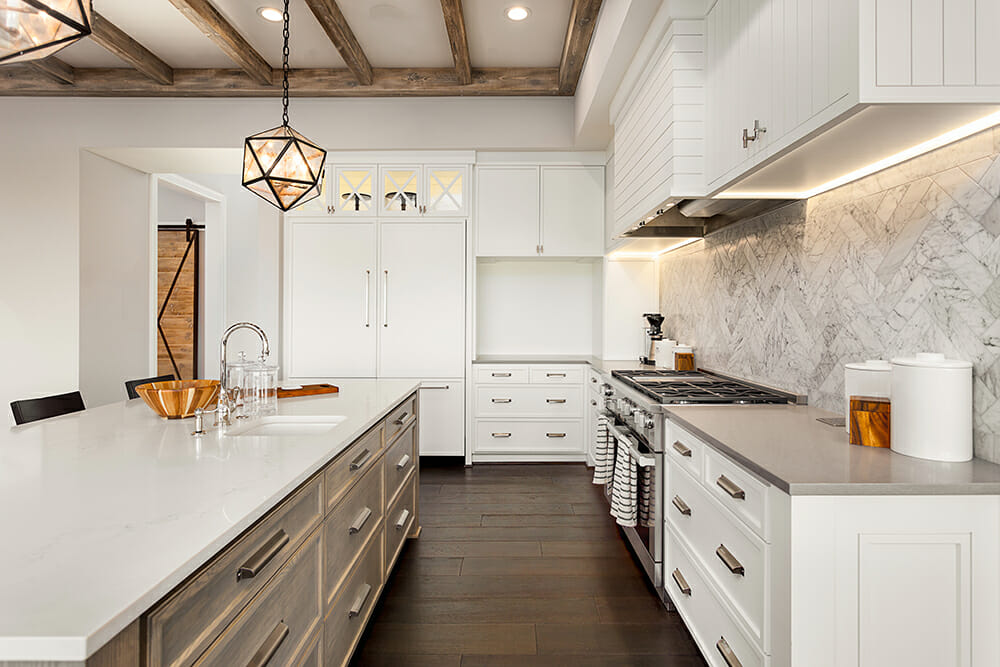
When homeowners consider renovating their living spaces, they often encounter numerous renovation options designed for specific preferences and preferences. These projects are generally grouped into several types, all dealing with certain elements of residential enhancement. Kitchen remodeling focuses on upgrading equipment, storage units, and the design to boost practicality and the look. Bathroom remodeling typically involves upgrading fixtures, the ceramic work, and organizational units for improved comfort and visual flair.
Full-house renovation covers extensive modifications to the entire house, often including structural alterations to make the most of the space and movement. External improvement work, on the other hand, focus on boosting the property's street view, addressing siding, roofing, and landscaping. Furthermore, specific options including converting the cellar and loft remodeling allow homeowners to maximize neglected parts of the home. Each type of remodeling service provides distinct advantages, enabling homeowners to choose options that fit their desired outcome for their residence. Understanding these distinctions is crucial to choosing wisely while undertaking the upgrade.
Setting a Realistic Budget for Your Home Improvement Work
What steps ensure their renovation work stays economically sound? Developing an achievable budget is vital. It is advisable for homeowners to begin by determining their fiscal limits, like savings and available loan choices. This first stage allows one to figure out the amount that can be set aside for the remodel while maintaining other fiscal obligations.
Subsequently, property owners need to research the costs associated with their desired renovations, including materials, labor, and surprise expenses that tend to crop up. Developing a comprehensive priority list helps with identifying must-haves versus nice-to-haves, allowing for adjustments if the budget tightens.
It is smart to incorporate a reserve fund, usually about 10-20% of the overall cost, to cover unexpected costs. Periodically examining and tweaking the budget as the updating work progresses can further assist in keeping finances in check. Finally, a thoroughly prepared budget not only guarantees project viability and makes the whole updating experience better for property owners.
Choosing the Right Contractor for Your Requirements.
Finding a suitable builder can greatly impact the success of a remodeling project. Property owners ought to start by performing extensive investigation, looking for suggestions from acquaintances, relatives, or web feedback. It is essential to confirm documentation, such as licenses, insurance, and surety bonds, to confirm legitimacy.
When prospective builders are located, homeowners should request detailed estimates and timelines, facilitating well-grounded side-by-side evaluations. Meeting with them offers a look at their manner of communicating and their professional conduct, which are essential for a collaborative process.
Furthermore, examining previous work via portfolios or referrals can reveal a contractor's quality of workmanship. Homeowners should also inquire about warranties or guarantees, which shows the professional's belief in their output.
Ultimately, selecting a contractor who aligns with the homeowner’s vision, budget, and timeline leads to a more favorable updating process, ensuring the work fulfills requirements and successfully updates the home's interior.
Organizing and Conceptualizing Your Perfect Area.
When property owners picture their perfect areas, meticulous organization and deliberate design form vital parts of a triumphant renovation effort. The beginning stage requires reviewing existing necessities and future desires, which permits a comprehensive grasp of the room's intended function. Homeowners should consider functionality, visual appeal, and personal style, to guarantee the design showcases their distinctive choices.
Next, creating a detailed budget is vital. This budget should accommodate materials, labor, and possible unexpected costs. Hiring professional designers can give meaningful advice, helping to optimize the space and respecting budgetary constraints.
Integrating components like natural light, spacious designs, and eco-friendly supplies can improve the final result. In conclusion, visualizing the project through drawings or computer models can assist in finalizing plans before implementation. By approaching the planning and design phase with intention, homeowners can create an inviting, efficient space suited to their way of life.
Navigating Permits and Regulations in House Renovation
Familiarizing oneself with the red tape and requirements can be challenging for homeowners starting on a remodeling project. Every local government sets particular guidelines that dictate what is permissible during renovations, typically guided by zoning laws, construction standards, and safety standards. Owners need to acquaint themselves with local regulations to prevent expensive penalties or construction hold-ups.
In most cases, getting permits is mandatory for major changes, such as structural changes or electrical work. This process usually necessitates providing designs for examination and could involve check-ups at multiple points.
Engaging a knowledgeable contractor can streamline these steps, as they are often familiar with local codes and can assist with paperwork. It is important for homeowners to communicate regularly with local building departments to guarantee compliance throughout the project. By grasping and navigating these regulations, homeowners can fulfill their improvement aims while guaranteeing that the work is safe and legal in their renovations.
FAQs
How Long Does a Typical Home Remodeling Project Take?

A standard home renovation generally requires three to six months on average, depending on the scope of work, scale of the house, and availability of materials. More involved renovations might need extra time for completion.
What are common mistakes that people make when renovating?
Common mistakes when renovating a home include underestimating budgets, not securing the required permissions, overlooking timelines, failing to communicate effectively with contractors, and failing to think about long-term functionality. Understanding these dangers helps ensure a smoother, more successful renovation project.
What's the best way to select the best supplies for my renovation?
Choosing the right materials means considering their resilience, visual appeal, and cost constraints. Researching options, talking to specialists, and thinking about upkeep can greatly aid to make smart choices, to guarantee the project fits with personal and functional requirements.
Is it possible to stay in my house while the remodeling is happening?
You are able to stay in their home during renovations, but you should expect some hassle. Thorough preparation, clear communication with contractors, and creating defined spaces for essential activities can help minimize disruption while the work is underway.
What warranties should I expect from remodeling contractors?
You should anticipate receiving warranties for the labor performed, the products installed, and structural components, typically ranging from one to ten years. You must carefully check the exact provisions with contractors to know the full extent of the guarantee and its restrictions.